

























Fast fashion has become extremely popular among teens because it is cheap, trendy, and easy to buy online. Brands like Temu, Shein, Zara, H&M, Gap, and Urban Outfitters release new clothes constantly, encouraging people to buy more and more. While it may seem fun and affordable, fast fashion has serious consequences that many teens do not see at first. The pressure to keep up with trends leads to over consumption and a cycle where clothes are worn only a few times before being thrown away.
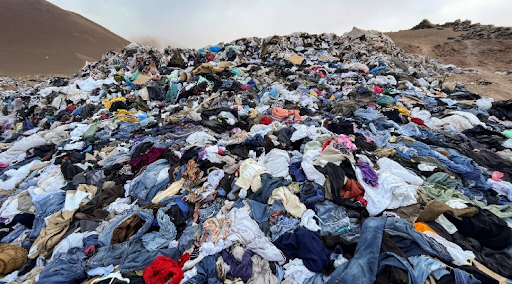
One of the biggest problems with fast fashion is the massive environmental damage it causes. The immense number of factories and the materials needed to produce cheap clothing contribute heavily to pollution and waste. These factories increase carbon emissions, contaminate water with dyes and chemicals, and fill landfills with textiles that take years to break down. Many clothes are made with synthetic fabrics that release microplastics into oceans and ecosystems, because these brands focus on speed and low cost rather than durability. Clothing quality is often low, meaning items are discarded quickly and replaced just as fast.
Some teens are already choosing to step away from fast fashion and find more sustainable ways to express their style. Vivienne Kerchiville (14) avoids fast fashion completely because she cares deeply about the environment. Instead, she says ”she sews her own clothing using fabric or older thrifted pieces.” Quinn Tenney (15) admits she “sometimes shops at fast fashion stores but makes an effort to limit it and chooses thrift shopping whenever possible” this is because she understands the harm fast fashion can cause. Jolie Johnson (16) “avoids fast fashion brands entirely” because she finds thrifting exciting and prefers supporting local businesses; she also enjoys making some of her own clothes and turning shopping into a creative experience rather than just following trends.
Teens can disengage from fast fashion by exploring alternatives that are still affordable and stylish. Thrift stores, clothing swaps, and vintage shops offer unique options while reducing waste. Learning to repair clothing, customizing older items, or even trying simple sewing projects can extend the life of clothes and encourage creativity. Supporting local businesses or investing in fewer, higher quality pieces also reduces the demand for harmful production cycles. By becoming more aware of how clothing choices affect the environment and workers, teens can help shift fashion culture toward more ethical and sustainable practices while still expressing their individuality.