






















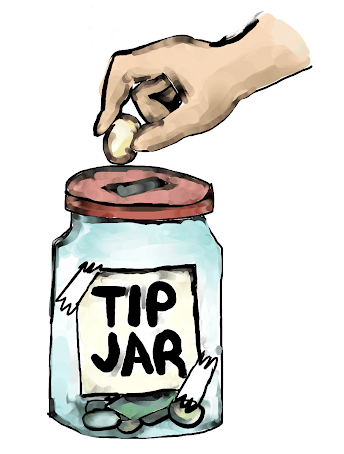
Tipping has always been part of eating out, but lately it feels like it’s everywhere and sometimes a little confusing. During the pandemic, many people started tipping more to support workers who were putting themselves at risk every day. Delivery drivers, cooks, and servers suddenly started receiving larger tips than usual, and now it can feel like tipping is expected for almost everything, even small orders.
To be fair, being a waiter or server is harder than most people realize. They are on their feet for hours, managing multiple tables at once and dealing with many impatient or upset customers. Even when the work looks simple, it takes focus and energy. That’s why tips are such a big part of their income; they help make the job worth it.
In addition to people continuing to realize the level of difficulty working in the service industry requires. Technology has changed the way we tip too. Many restaurants use tablets or touch screens that automatically suggest tip percentages, sometimes starting higher than what people expect. While convenient, this can feel awkward if you’re just grabbing a drink or a snack. Some people feel pressure from the screen simply being in front of them, which makes the tipping decision stressful.
Not everyone handles tipping the same way. Some people tip every time, while others only tip if the service is especially good or if they have a large order. Teenagers and young adults sometimes receive criticism for not tipping enough, but many don’t have steady incomes or extra money to spend. Tipping shouldn’t be seen as a rule; it’s more about what you can reasonably afford.
Some people argue that tipping allows restaurants to avoid paying fair wages. If labor costs were included in menu prices, customers wouldn’t have to worry so much about leaving the “right” tip. On the other hand, tips allow workers to earn extra on busy nights or when people are generous, so eliminating tipping entirely could make things harder for them
At the end of the day, tipping should be about fairness and appreciation, not pressure. Customers should tip when they feel the service deserves it and when it fits their budget, and workers should be paid enough so they’re not relying only on tips. Thinking about tipping as a mix of choice and respect makes it easier for both sides to feel good about it.