





















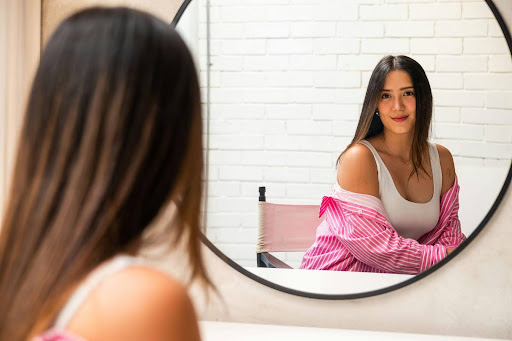
I used to wonder why I didn’t look like the people I saw online while scrolling through social media. I spent hours trying to “fix” myself with new hair, heavy makeup, and trendy clothes, hoping to match an unrealistic goal. But behind every selfie, there’s a reality for many of us: a struggle with body image fueled by social media.
Why does social media have such power over how we see ourselves? Body image isn’t just about our appearance. It’s about our thoughts, feelings, and the expectations we absorb from the world. While it’s normal to have ups and downs, today’s online platforms magnify these feelings, for better or worse.
Platforms set unrealistic standards. Teens have reported feeling pressured to look “perfect” by using filters and editing apps to erase any flaws, but this makes it harder for them and others to feel better about themselves.
A study conducted by Consumer Reports in 2021 says that using social media frequently is linked to higher rates of depression and negative body image. It’s not just them, but also companies selling unnecessary things for human flaws, whether through beauty products or surgery, and suggesting trendy diets.
But there are ways to push back. Blogger Hannah Claire’s journey is one example; after years of comparing herself to others online, she began unfollowing accounts that made her feel inadequate and started posting unfiltered photos. Her story shows that stepping away helps her reconnect because “sharing [her] real self helped [her] reconnect with what makes [her] unique”. Leaving the comparison game behind can lead to lasting confidence.
We can all take steps to promote body positivity and a healthier self-image. Share moments, help others with kind words, and create posts online that celebrate diversity. Schools and organizations can host events that encourage honest conversations about social media and body image. It’s about learning to value ourselves for who we truly are, not who we think we should be.
Social media isn’t going anywhere, but we can change how we use it. By choosing honesty over perfection, we can help create a culture where everyone feels seen, supported, and confident in their own skin.