



















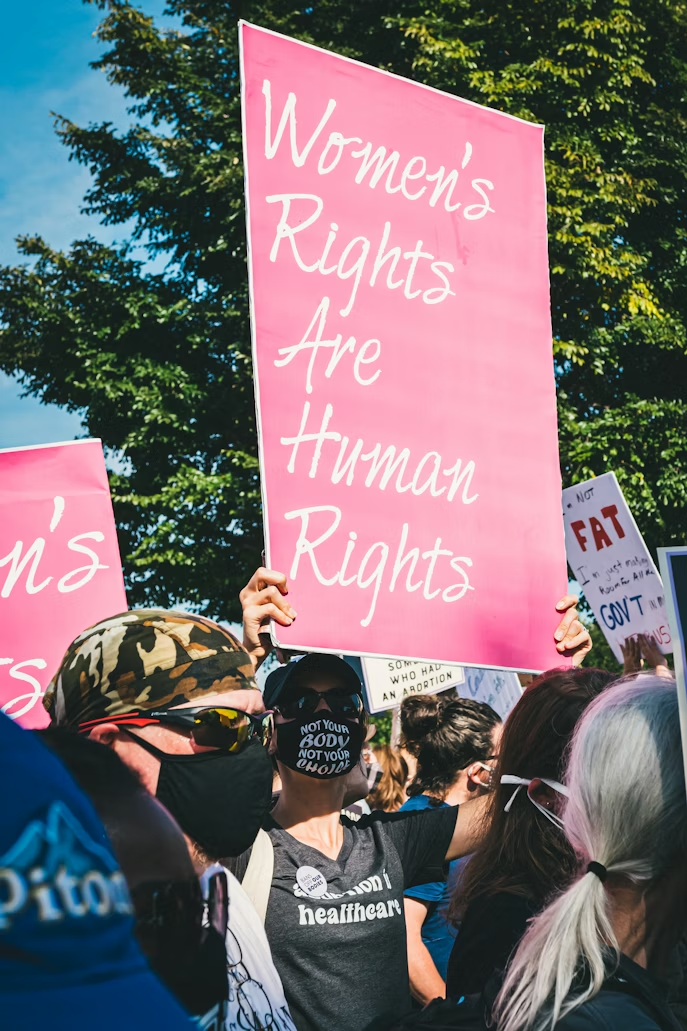
Autonomy. One word, but it holds all the weight in this debate. Autonomy means having the power to make your own choices and decide your own future. For women, abortion bans rip that power away.
The current abortion ban allows almost no exceptions. Survivors of sexual assault, teenagers, women with unstable health, and even children are forced into pregnancies they never chose. It doesn’t matter how unsafe, traumatic, or unfair the situation may be. Women are told to endure it anyway. How can anyone call this freedom?
Some women support the ban, but I struggle to understand why. Sparrow Driver, a 10th grader at Anderson High School, has spent a lot of time researching and talking about this issue. She put it simply, “It doesn’t just affect you, it affects every other woman you know.” Her point is clear and difficult to ignore. Supporting the ban isn’t just a personal decision; it impacts all women’s futures.
Many people who back the ban argue from religious or moral reasoning, believing abortion represents the end of human life. However, a pope said, “Someone who says ‘I’m against abortion but says ‘I am in favor of the death penalty’ is not really pro-life.” While that perspective exists, it raises a critical question: should an entire group of people lose rights because of one interpretation of faith? America is built on the idea of freedom of choice. When the government forces women into pregnancy against their will, it removes that freedom completely.
In the end, the fight against abortion bans is about more than just politics or religion—it’s about women’s basic right to choose their own paths. Forcing someone into motherhood strips away the freedom and autonomy every person deserves. No one should have the power to decide what happens to someone else’s body. Women have fought too hard for their rights to let them be taken away now. Standing against abortion bans means standing for equality, freedom, and the right to control our own futures.